
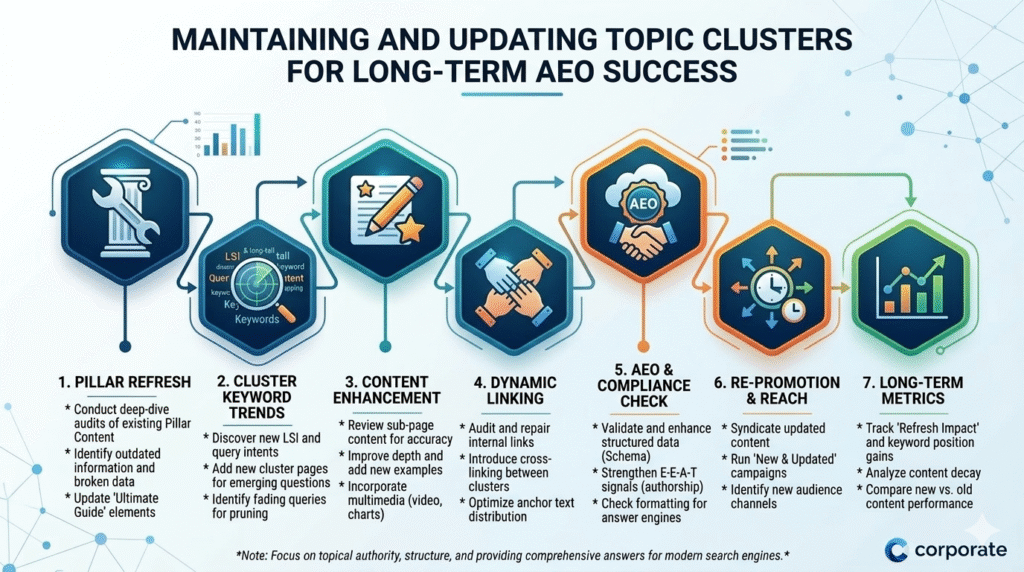
Maintaining and Updating Topic Clusters for Long-Term AEO Success
Maintaining topic clusters for Answer Engine Optimization (AEO) requires updating entity relationships and semantic triples to align with large […]
Maintaining topic clusters for Answer Engine Optimization (AEO) requires updating entity relationships and semantic triples to align with large […]
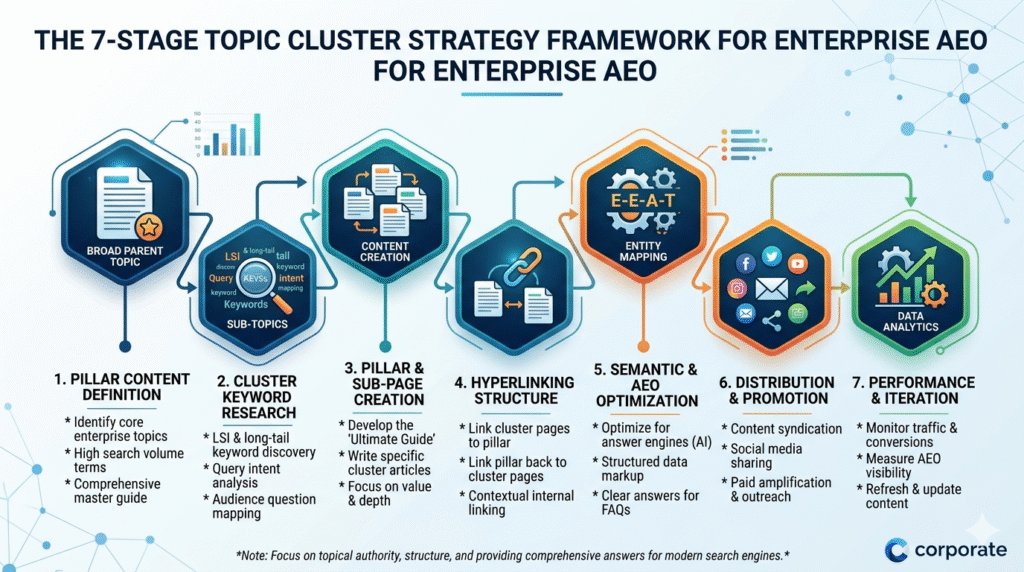
A 7-stage topic cluster strategy for enterprise Answer Engine Optimization (AEO) structures content around semantic entities and knowledge graph

Calculating the return on investment for a topic cluster requires mapping aggregated traffic, entity recognition scores, and multi-touch attribution
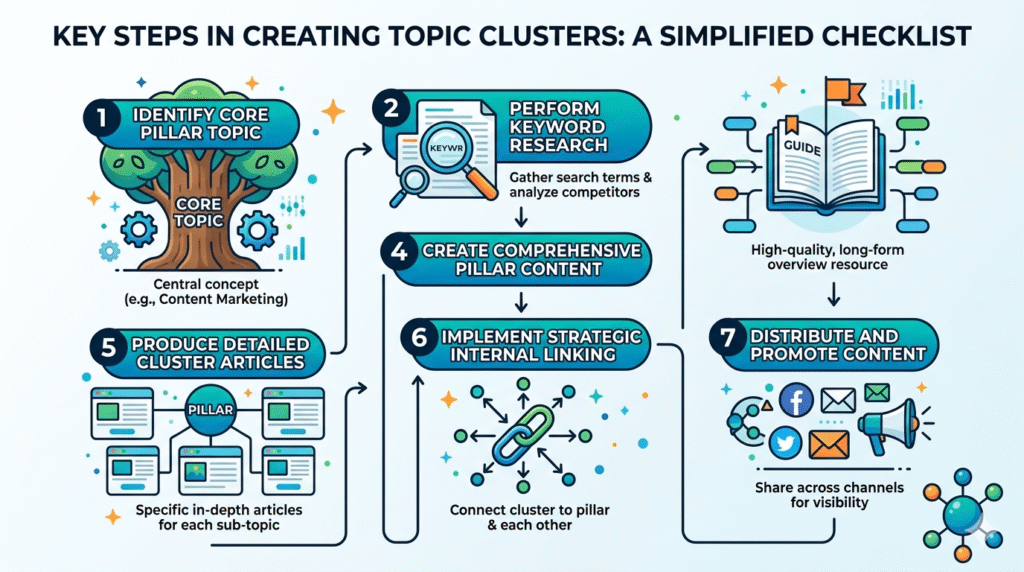
Topic clustering organizes content around a central pillar page linked to subtopic pages, establishing semantic relevance for search algorithms.
Validating AI-generated schema markup prevents hallucinated data and mismatched entities, ensuring accurate knowledge graph alignment. Automated tools often misclassify nested

Entity and schema auditing aligns site data with knowledge graphs by standardizing semantic triples and resolving ambiguities. This structured data
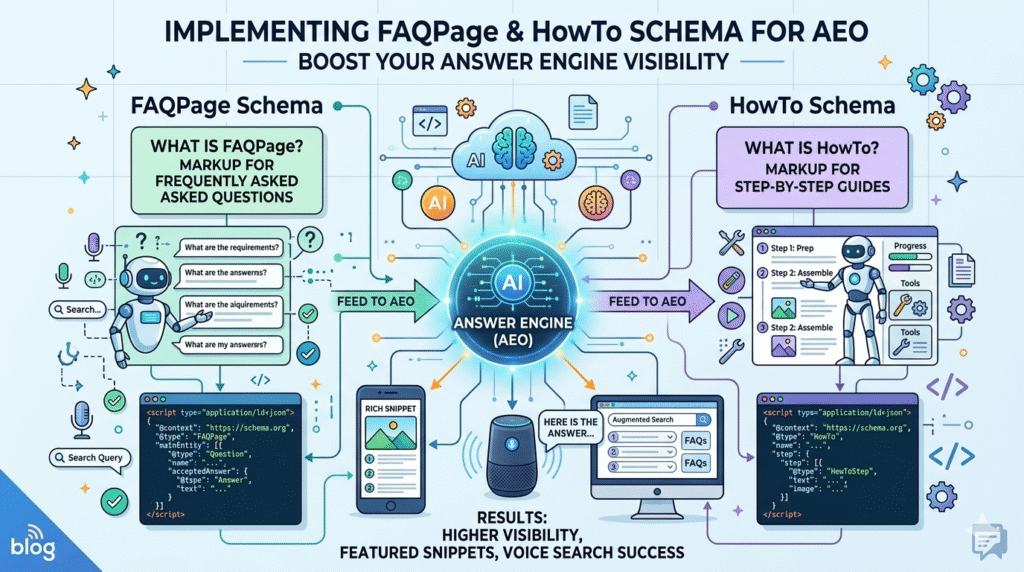
Implementing FAQPage and HowTo schema for Answer Engine Optimization (AEO) requires structuring content using valid JSON-LD format to enable
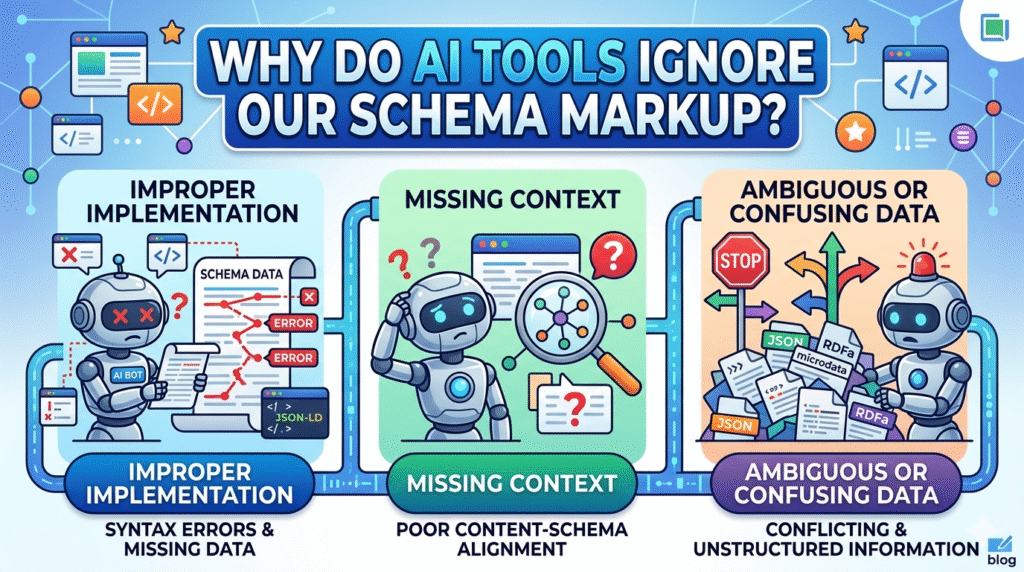
AI tools ignore schema markup when large language models encounter content mismatches between the JSON-LD structured data and the
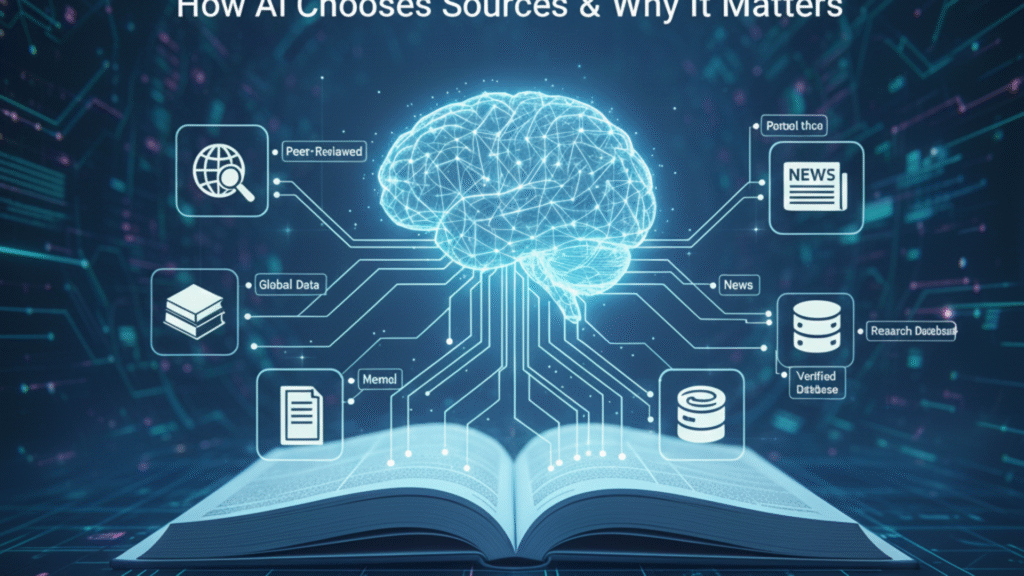
TL;DR: AI platforms cite different sources based on their underlying retrieval architecture—specifically whether they utilize Retrieval-Augmented Generation (RAG) or rely
Tailoring content for AI engines requires distinguishing between retrieval-based systems like Perplexity and knowledge-graph-dependent models like Gemini. Effective optimization involves