
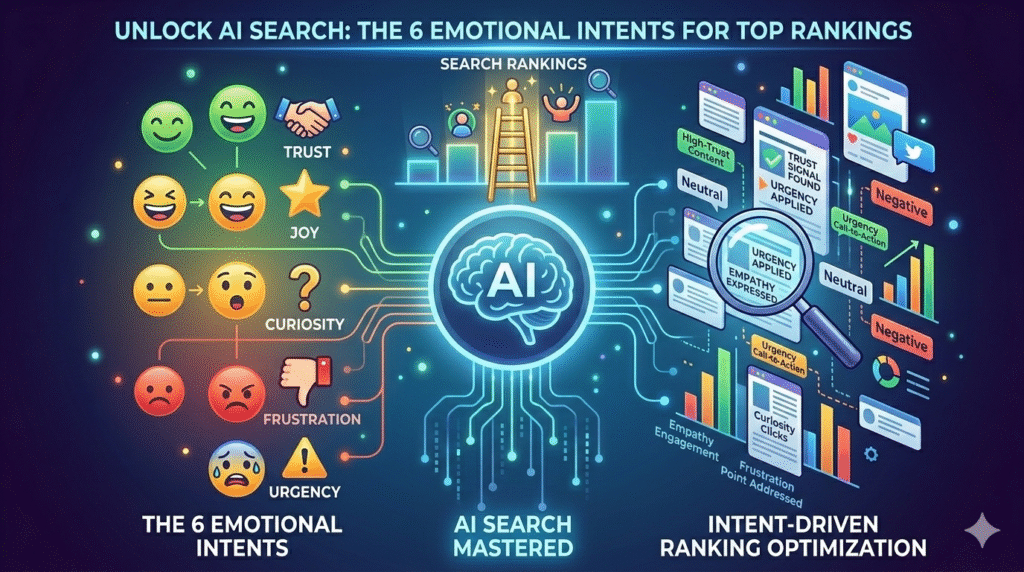
Unlock AI Search: Master the 6 Emotional Intents for Top Rankings
Identifying the emotional intent behind a search query requires analyzing the syntactic structure and modifier usage within the search phrase […]

Identifying the emotional intent behind a search query requires analyzing the syntactic structure and modifier usage within the search phrase […]
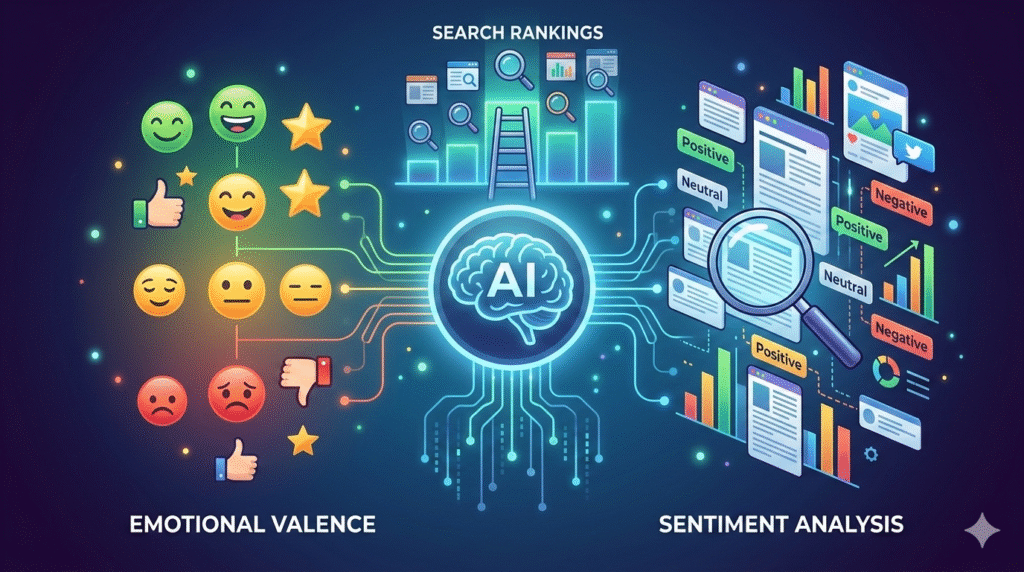
Generative AI models prioritize content that mirrors the emotional valence of a user’s query before delivering factual data, a mechanism
Retrieval-Augmented Generation (RAG) systems evaluate website infrastructure for entity clarity and knowledge graph alignment, determining citation eligibility based on structural
TL;DR Inconsistent brand voice creates conflicting vector embeddings within Large Language Models (LLMs), increasing the semantic distance between a brand
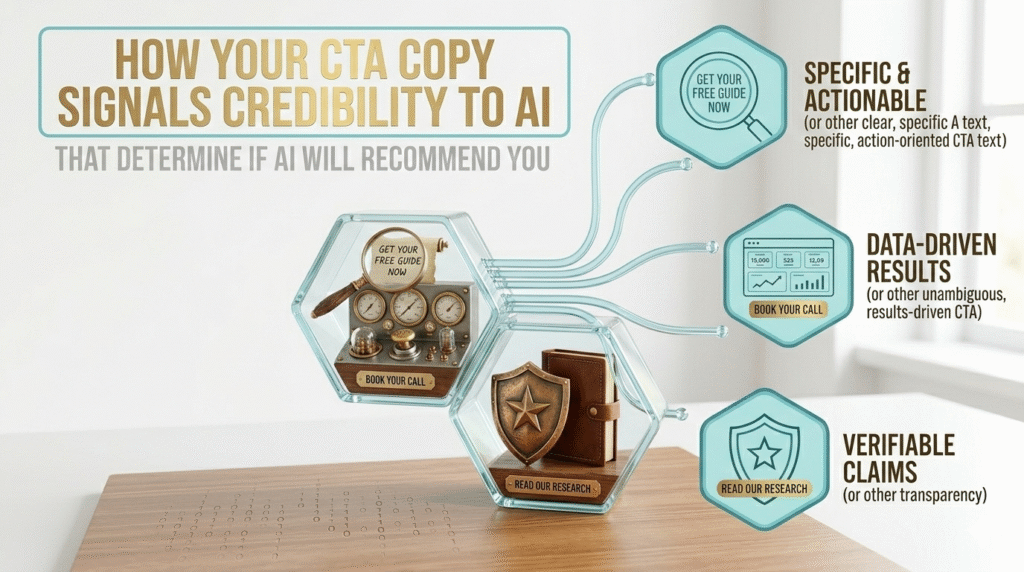
TL;DR AI models evaluate Call-to-Action (CTA) credibility by analyzing the semantic vector alignment between the anchor text, the surrounding context,
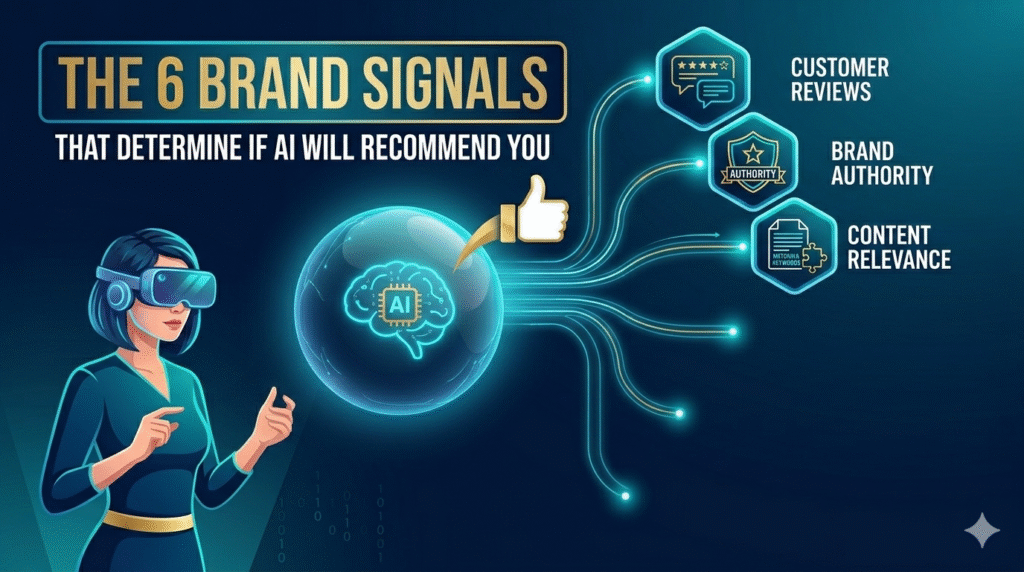
TL;DR AI recommendation engines like ChatGPT, Gemini, and Perplexity prioritize brands based on entity confidence scores rather than traditional backlink
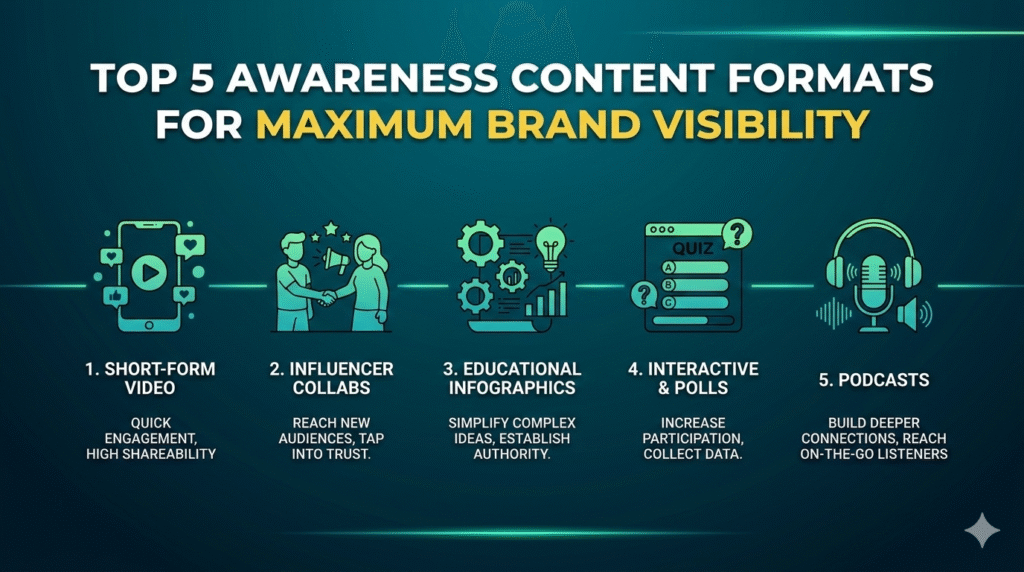
The top 5 awareness stage content formats for maximizing brand visibility are short-form video, educational blog posts, interactive tools, data-driven

TL;DR: Awareness stage content builds trust by validating specific user pain points without demanding immediate commercial reciprocity. By decoupling educational
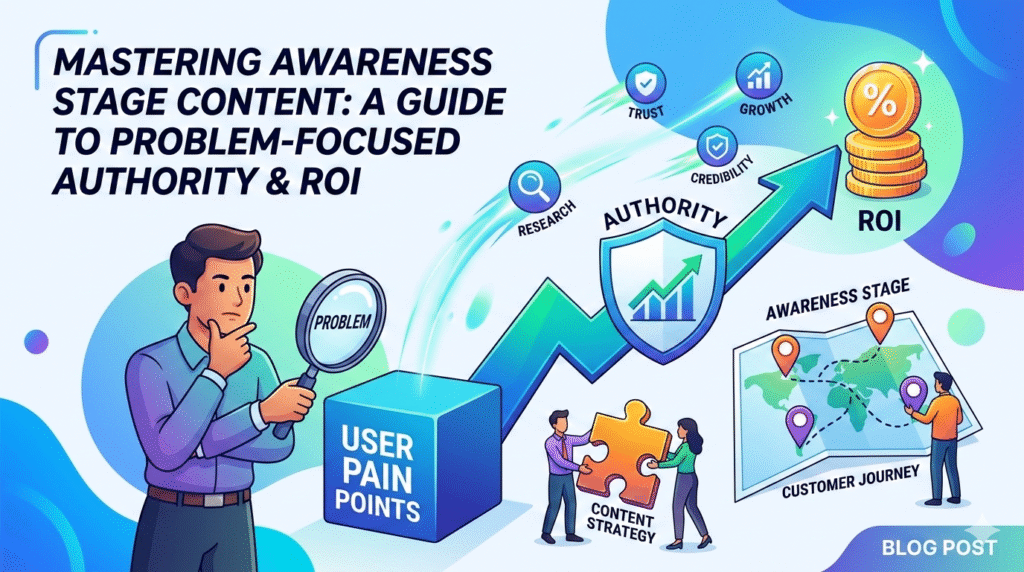
TL;DR Effective awareness stage content addresses specific user problems through educational narratives rather than sales pitches, establishing brand authority before
TL;DR Tools for tracking AI citations enable B2B enterprises to monitor brand visibility within Large Language Models (LLMs) by systematically