
Brand Voice Consistency: The Key to AI Citations & GEO Dominance
TL;DR Inconsistent brand voice creates conflicting vector embeddings within Large Language Models (LLMs), increasing the semantic distance between a brand
TL;DR Inconsistent brand voice creates conflicting vector embeddings within Large Language Models (LLMs), increasing the semantic distance between a brand
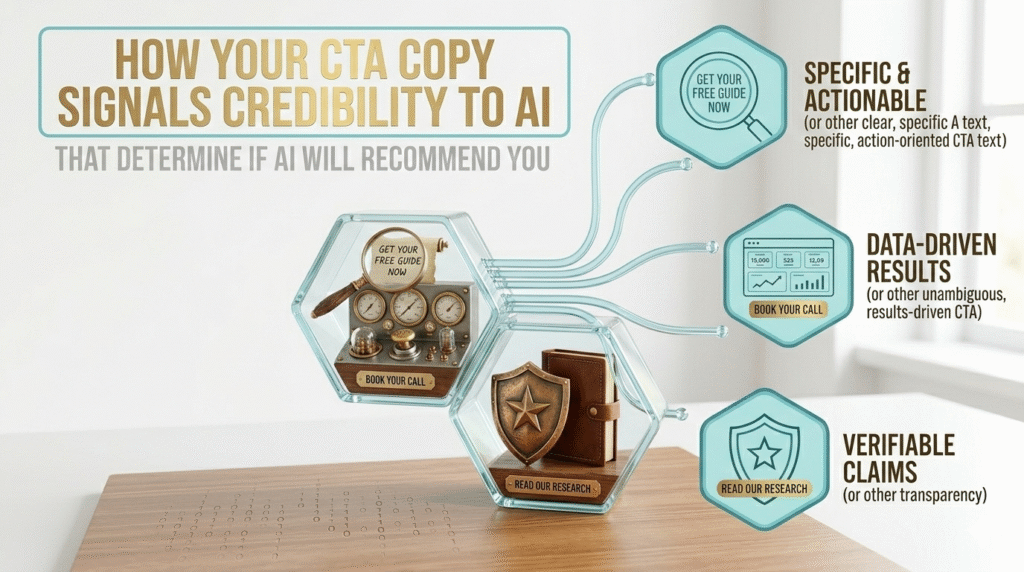
TL;DR AI models evaluate Call-to-Action (CTA) credibility by analyzing the semantic vector alignment between the anchor text, the surrounding context,
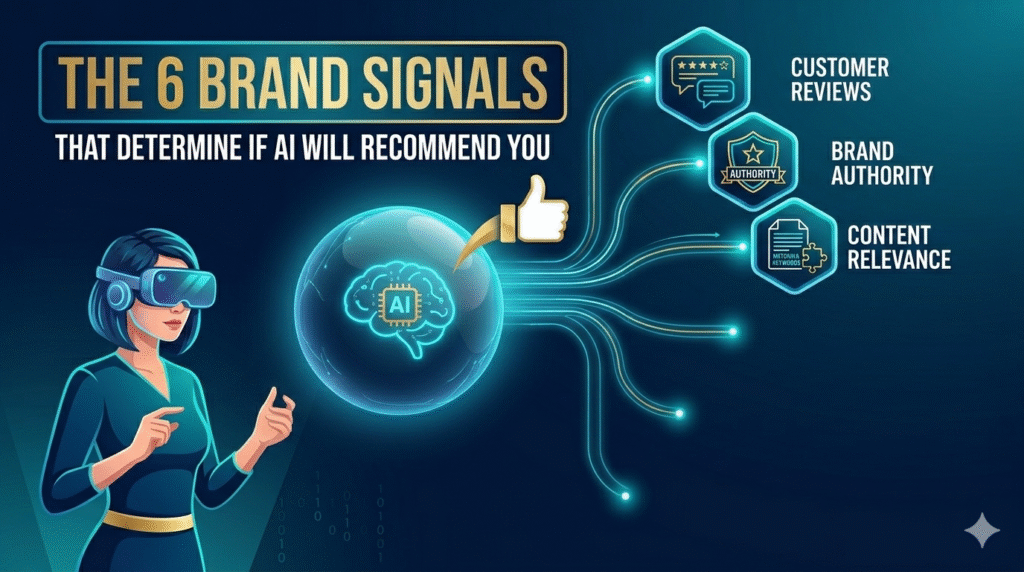
Published: [VERIFIED DATA NEEDED: Publication Date] | Reviewed by the SEMAI Editorial Team TL;DR: Generative search engines prioritize brands based
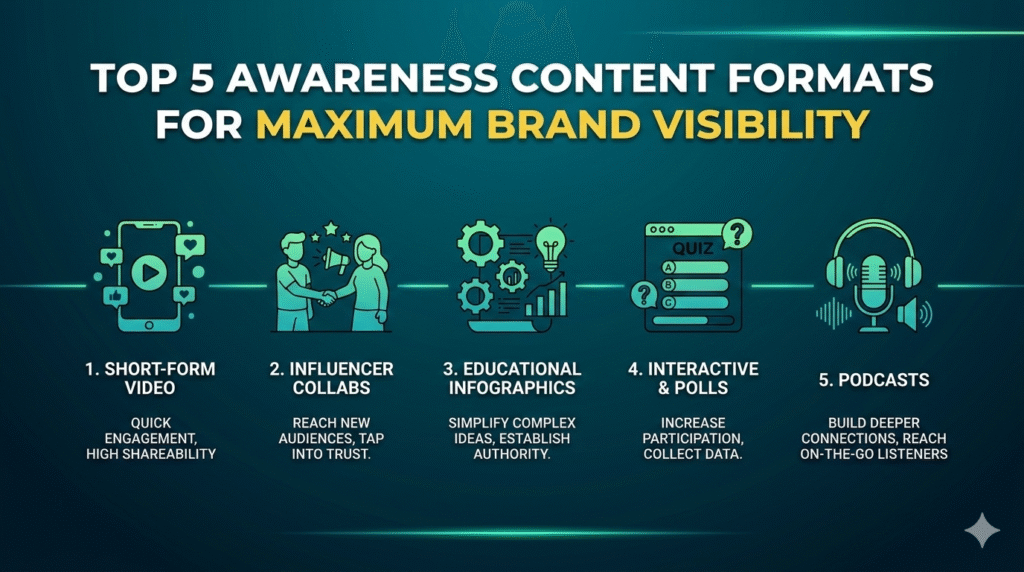
TL;DR: The top 5 awareness stage content formats for B2B brands are short-form video, educational blog posts, interactive tools, data-driven
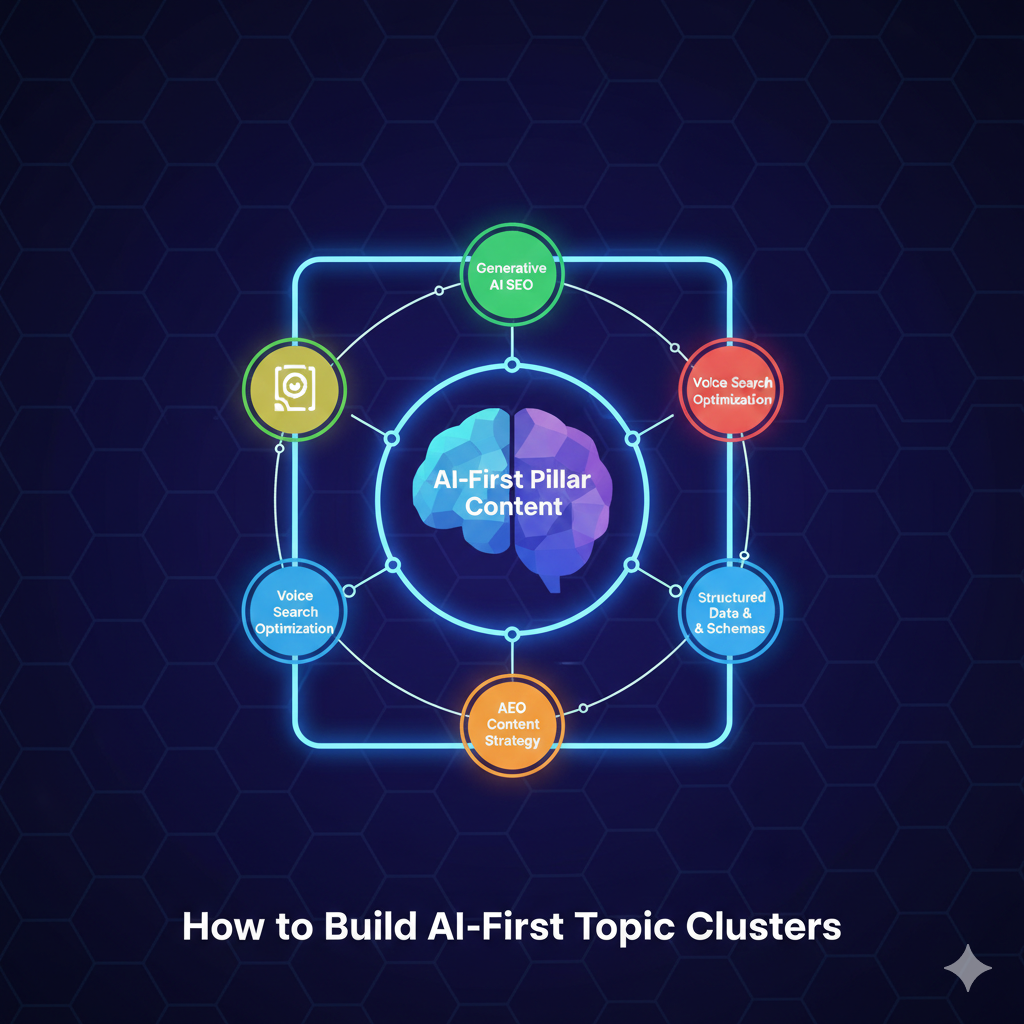
Building an AI-first topic cluster involves creating a network of content where a central “pillar” page provides a broad overview
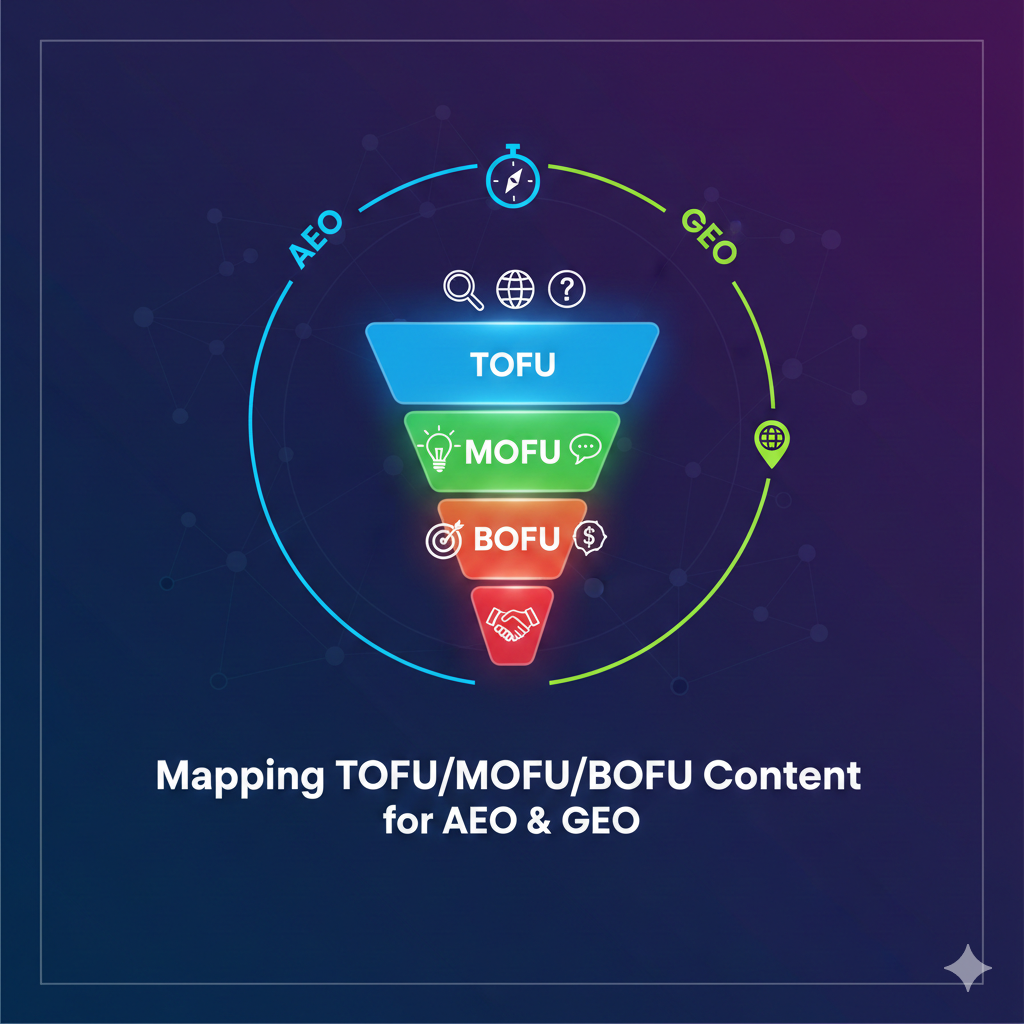
TL;DR: Effective content mapping for AI search engines requires aligning each funnel stage with specific user query intents. Top-of-Funnel (TOFU)
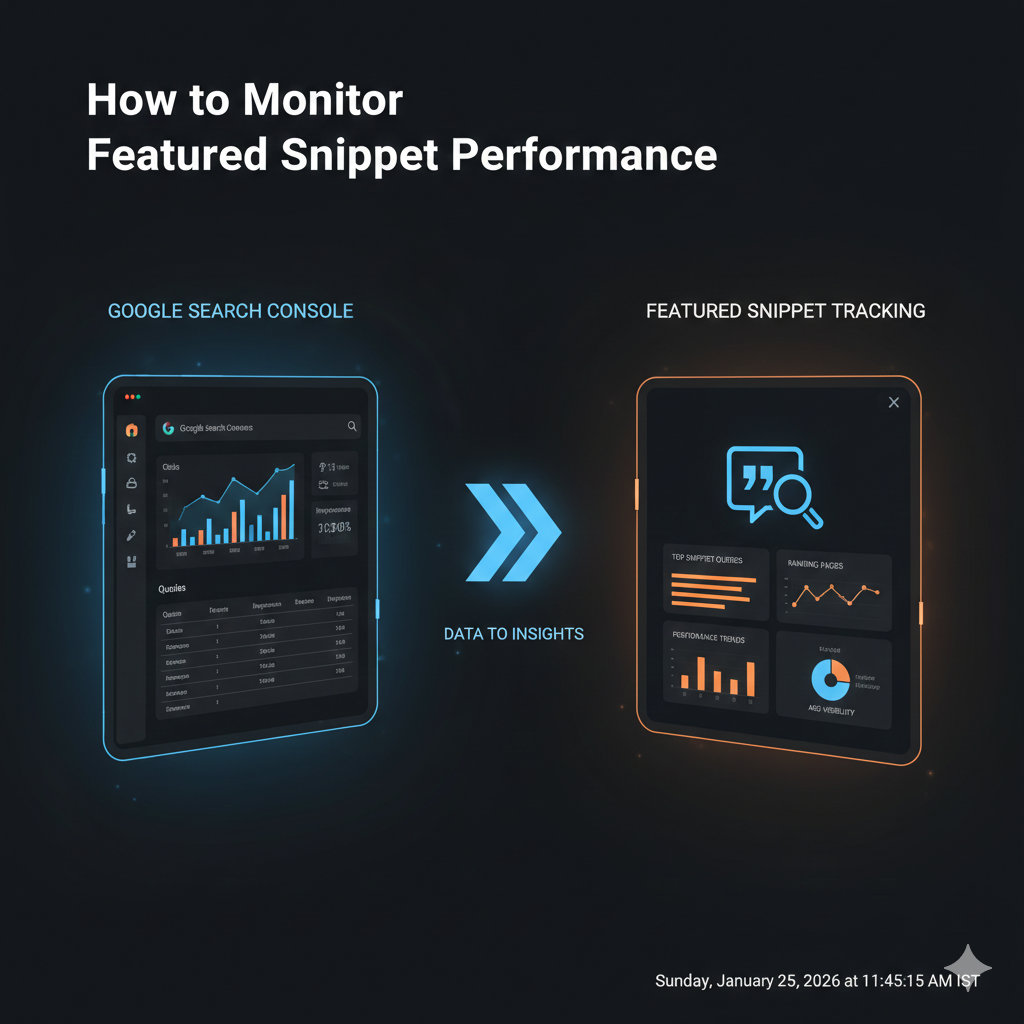
TL;DR: Monitoring featured snippets involves tracking impressions, clicks, click-through rates (CTR), and average positions in Google Search Console and third-party
Last Updated: September 8, 2026 | Topic: Generative Engine Optimization (GEO) To establish topical authority for Google AI Overviews ,
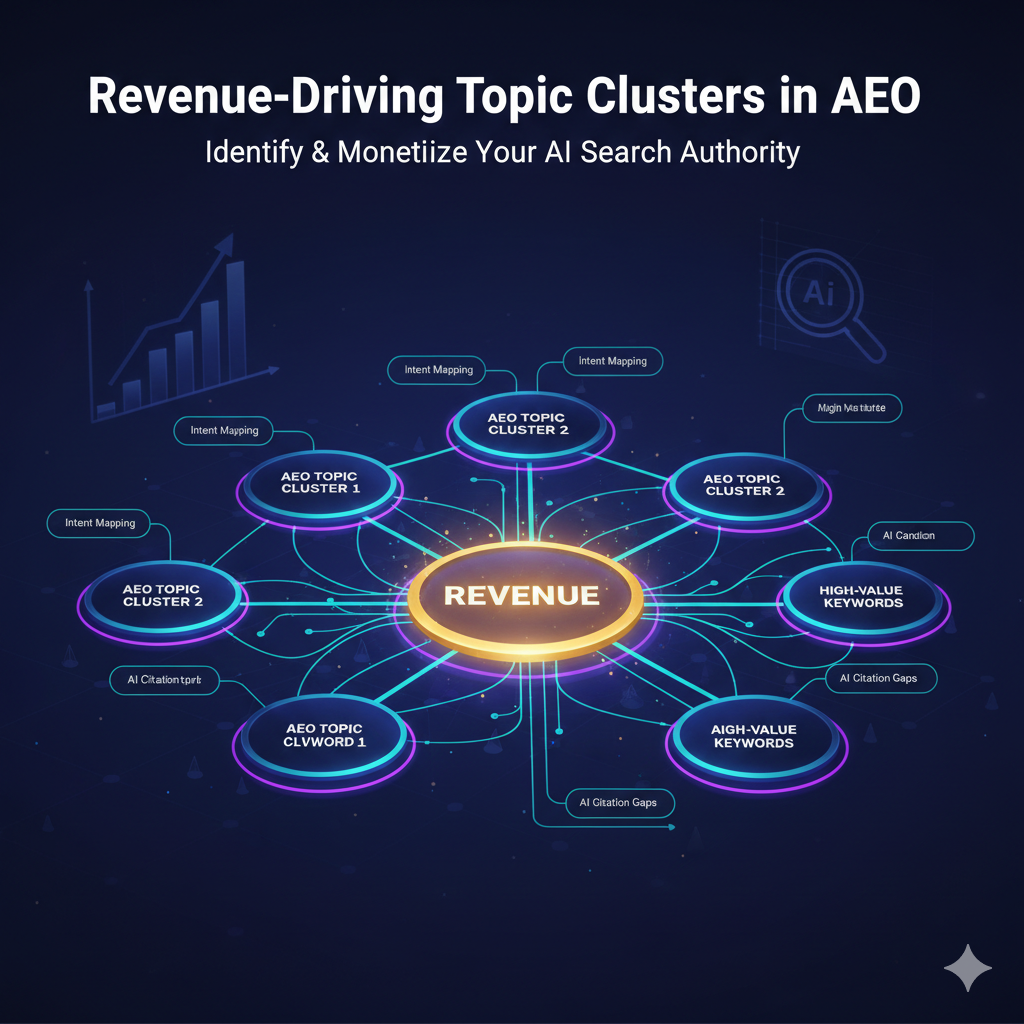
A revenue-driving topic cluster is a strategic B2B content architecture that maps core product features to high-intent customer search queries

Last Updated: October 24, 2024 | Published by SEMAI Editorial Team TL;DR: Topic clusters are essential for AI search because