
How AI Overviews Work: Retrieval & Citation
How AI Overviews Work: Retrieval, Synthesis, and Citation Pathways TL;DR: AI Overviews function through Retrieval-Augmented Generation by fetching real-time data […]
How AI Overviews Work: Retrieval, Synthesis, and Citation Pathways TL;DR: AI Overviews function through Retrieval-Augmented Generation by fetching real-time data […]
Evaluating Content Eligibility Signals for Instant Summaries and Source Links Marketing teams are no longer just asking how to
Where AI Overviews Appear and When They Trigger TL;DR: Generative engine optimization structures content for entity disambiguation and knowledge graph
Key Metrics for Tracking AI Citation Performance The key metrics for tracking AI citation performance are citation frequency, entity prominence,
Executive Diagnostic: Why Rankings Miss AI Overviews Traditional search rankings miss Google AI Overviews because generative engines prioritize entity disambiguation
Evaluating External Visibility Gains from AI Citations Calculating external visibility gains from AI citations requires tracking entity recognition scores ,
Understanding LLM Citation ROI: The Core Model Explained Calculating the financial return on investment for Large Language Model citations requires
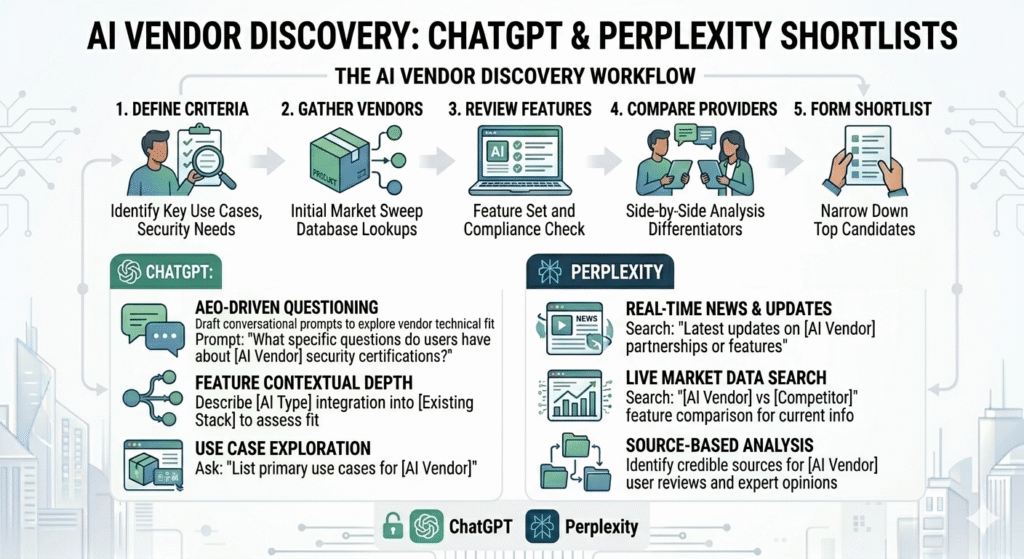
AI vendor discovery is a modern procurement methodology that utilizes generative search engines and retrieval-augmented generation to synthesize software specifications
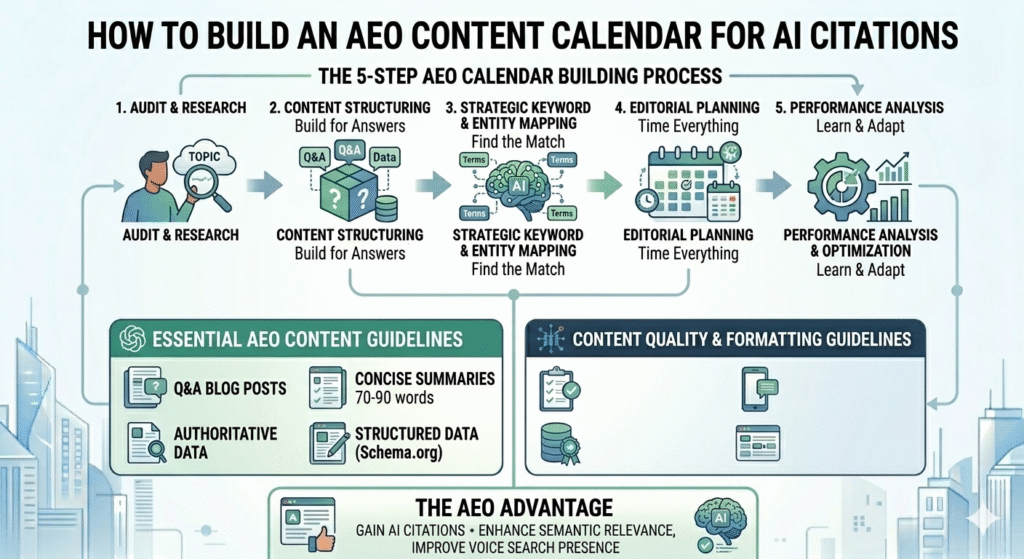
TL;DR: To earn high-authority citations in AI search engines such as ChatGPT and Perplexity, B2B marketing teams must transition from
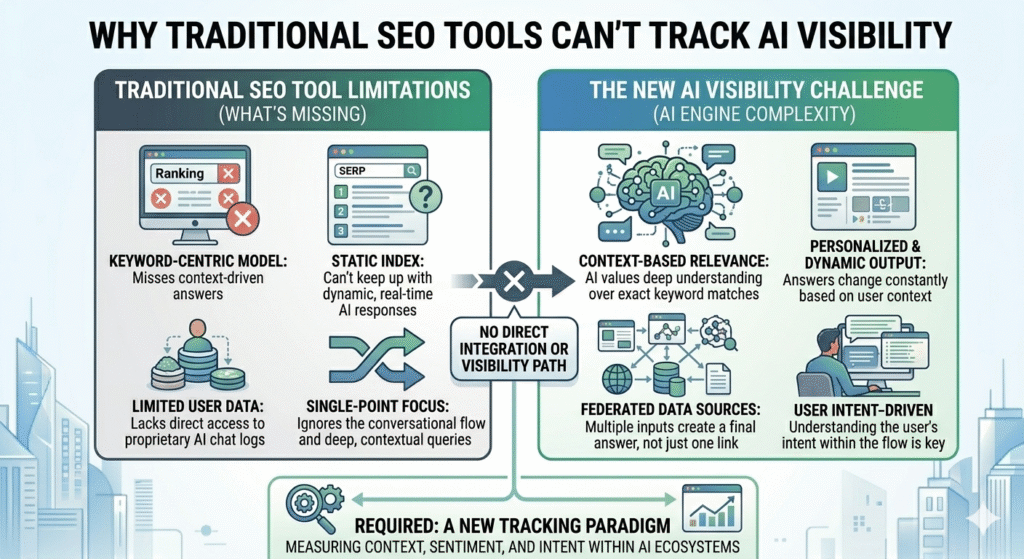
Last Updated: [VERIFIED DATA NEEDED: Last updated date] | Reviewed by SEMAI Editorial Team TL;DR: Traditional SEO platforms rely on